What Is a Gable End?
A
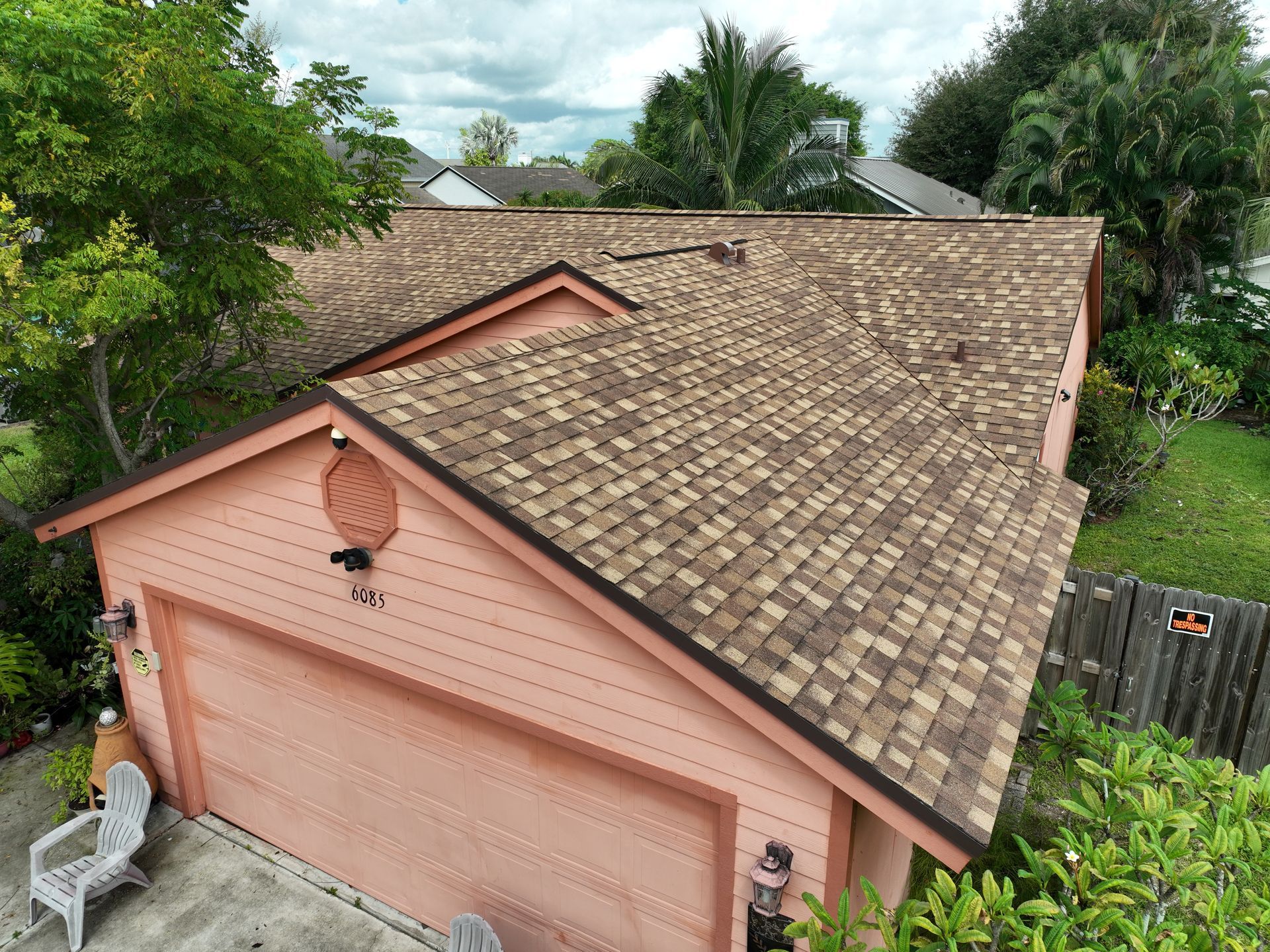
gable end is the triangular portion of an exterior wall that sits beneath the sloping sides of a gable roof. If you imagine a child’s drawing of a house — the triangle at the top is the gable.
In Florida, that triangle does more than complete the look of a home. It supports the end of a sloped roof and takes on direct wind pressure during storms. When a gable end is
under‑braced,
poorly fastened, or
built with outdated methods, it becomes one of the first points of failure in hurricane‑force winds.
Why Gable Ends Need Special Attention in Florida
Florida’s building code recognizes that gable ends behave differently under wind load than hip roofs or other roof structures. During a storm:
- Wind hits the vertical gable wall like a sail
- Pressure builds behind the wall
- Uplift forces pull at the roof sheathing and trusses
- Unbraced gable ends can crack, lean, or collapse
This is why modern construction involves
hurricane bracing,
blocking,
strapping, and
reinforced connections at the gable end. When built correctly, a gable end performs extremely well — but when shortcuts are taken, it becomes a liability.
Key Features of a Gable Roof
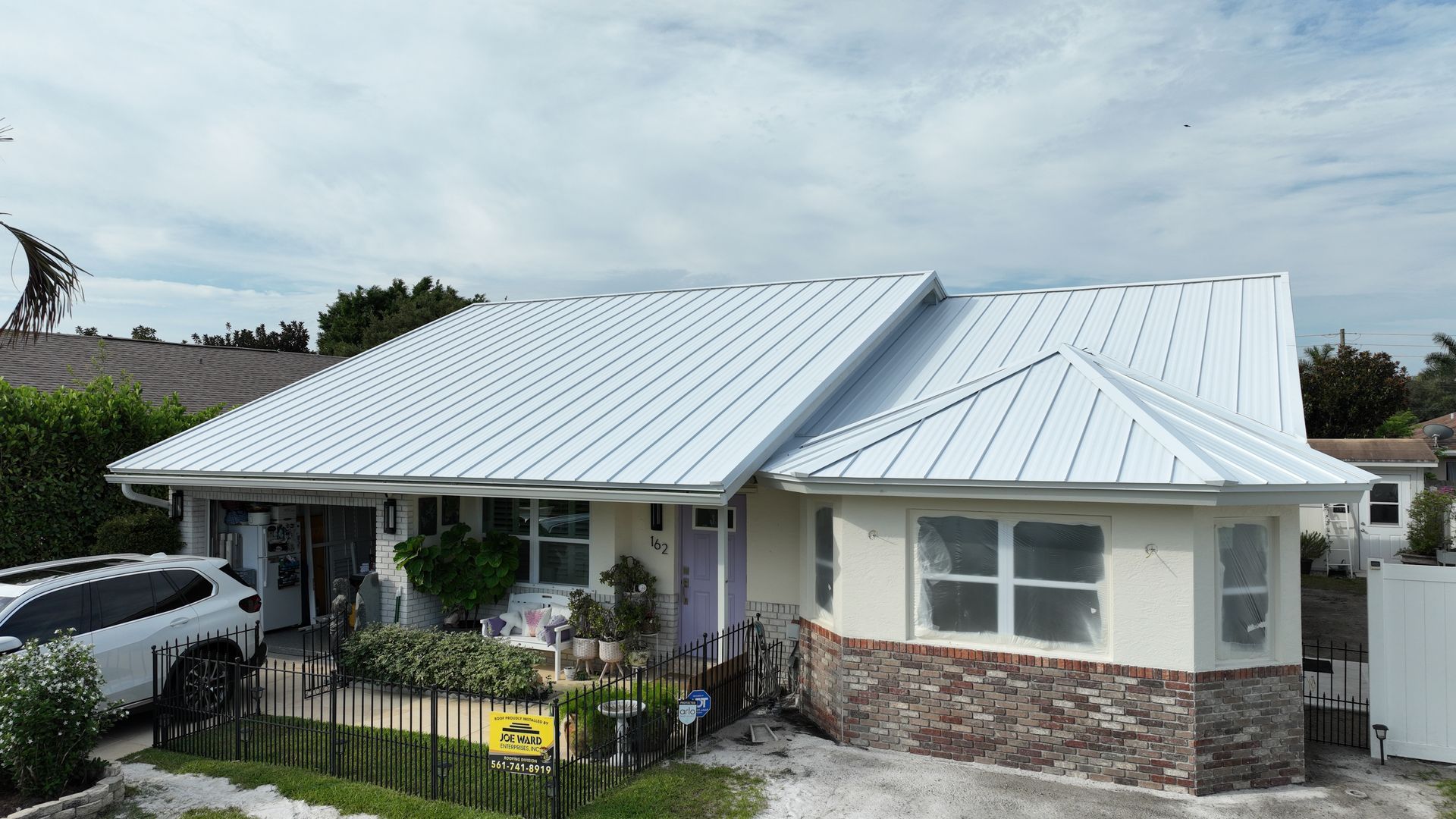
Gable roofs have stayed popular across Florida for decades because the design is straightforward, efficient, and cost‑effective. With two sloping roof planes meeting at a ridge and vertical gable walls defining each end, the structure creates a clean, simple profile that works well on both traditional and modern homes.
The shape naturally encourages fast water runoff, which is a major advantage during Florida’s heavy summer rains. It also opens up opportunities for attic ventilation through gable vents or windows, helping keep attic temperatures under control. Builders appreciate the design because it’s easier and more economical to construct than more complex roof styles like hips — and homeowners appreciate the long‑term practicality.
The only part that demands special attention in high‑wind zones is the gable end itself. Because it’s a vertical wall exposed directly to wind pressure, it must be reinforced properly to perform the way Florida homes require.
Common Gable Roof Styles Seen in Florida Homes
Gable roofs come in several variations, each with its own structural considerations
- Box Gable — A traditional gable with a boxed‑in triangular extension.
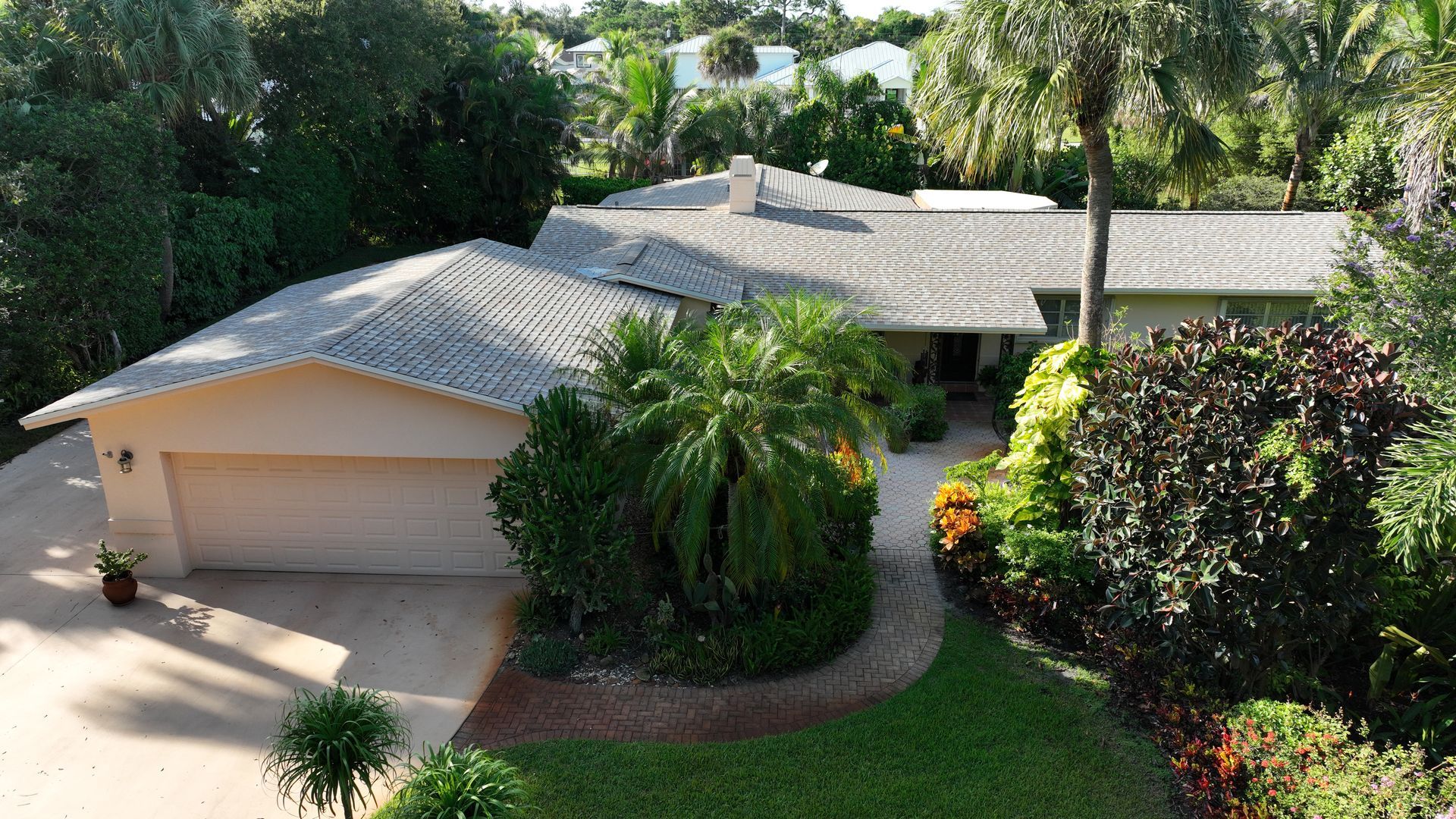
- Cross Gable — Multiple gables intersecting at angles, often used to highlight wings or additions.
- Dutch Gable — A hybrid of hip and gable, offering improved wind performance.
- Front Gable — The gable faces the street, creating a strong architectural focal point.
- Side Gable — The most common style, with gables on the left and right sides of the home.
- Standard Gable — The classic two‑slope design seen in many Florida neighborhoods.
Why Gable Roofs Remain Popular in Florida
Even with Florida’s wind requirements,
gable roofs continue to be one of the most common roof styles across the state
— and for good reason. They’re straightforward to build, which keeps
construction costs down, and their clean slopes shed rain quickly during our heavy
summer storms. Homeowners also appreciate how easy they make gutter
installation and long‑term maintenance.
Because gable roofs create wide,
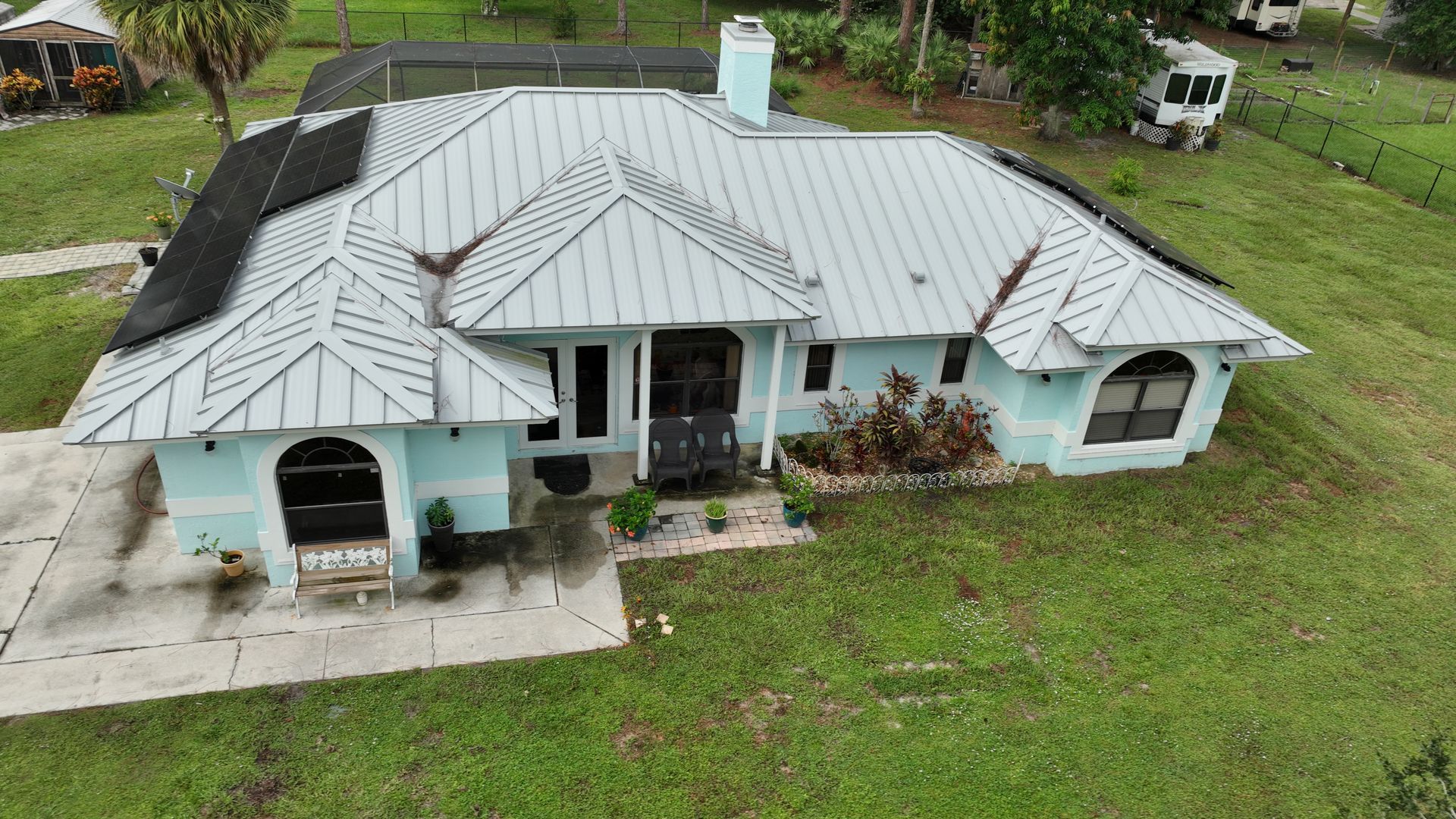
uninterrupted planes, they’re ideal for solar panels and modern energy‑efficient
upgrades. And visually, the symmetry of a gable roof fits almost any
architectural style, from older Jupiter homes to newer Palm Beach builds. In
short, the design stays popular because it’s practical, adaptable, and visually
timeless — as long as the gable ends are properly reinforced for wind.
Are Gable Ends Right for Your Home?
A well‑built gable roof can be an
excellent choice for Florida homeowners, offering strong attic ventilation,
efficient water shedding, and a clean architectural profile. But in coastal or
high‑wind zones, the gable end itself becomes the critical factor. It must be
engineered and braced to handle uplift and lateral pressure — otherwise the
entire roof system is vulnerable.
Proper reinforcement includes structural
bracing, hurricane straps, solid sheathing, secure truss anchoring, and stable
overhang support. When these elements are installed correctly by a qualified
contractor, a gable roof isn’t just attractive — it’s storm‑ready and built to
last.