Choosing the right roofing material is an important decision for any homeowner. A roof affects far more than the appearance of a house. It helps protect the structure from weather, contributes to indoor comfort, influences maintenance needs, and can affect the long-term costs associated with homeownership. Metal roofing has become an increasingly familiar option for residential properties, giving homeowners an alternative to more conventional roofing materials.
While metal roofing offers several potential advantages, it is not automatically the ideal solution for every property. Climate, architectural style, budget, installation requirements, and personal preferences can all influence whether it makes sense for a particular home. Before making a decision, homeowners can benefit from understanding how the material performs and what ownership may involve. Consulting a local roofing company can also provide property-specific information that helps homeowners evaluate their available options.
Understanding the Durability of Metal Roofing
Durability is one of the primary reasons homeowners consider metal roofing. Roofing systems are continuously exposed to sunlight, wind, rain, temperature fluctuations, and other environmental conditions. Over time, that exposure can affect the performance and appearance of any roofing material. Metal systems are designed to provide a durable exterior surface capable of handling a variety of challenging conditions.
Weather resistance may be especially important in areas that experience severe storms. According to Today’s Homeowner, properly installed metal roofs can withstand hurricane-force winds over 140 mph while resisting damage from heavy snow, ice, and hail that might otherwise harm asphalt shingles. Actual performance can depend on factors such as the specific roofing system, installation quality, underlying structure, and maintenance.
Durability should therefore be evaluated as part of the complete roofing system rather than as a characteristic of the material alone. A local roofing company can examine the structure and explain which metal roofing configurations may be appropriate for the property’s environmental conditions and design.
Considering the Long-Term Maintenance Requirements
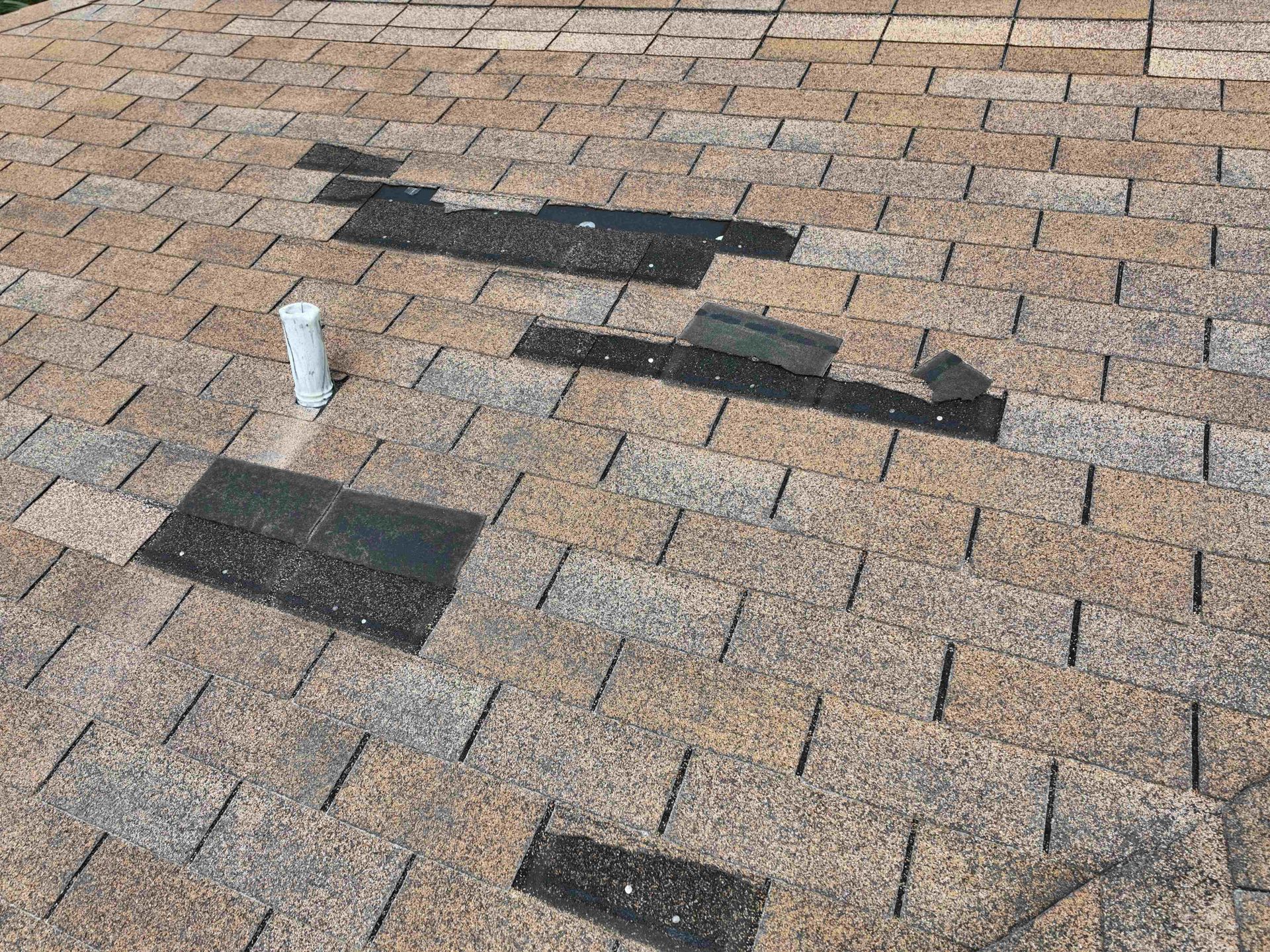
Every roof requires attention throughout its service life, but maintenance needs vary considerably among roofing materials. Metal roofing is often appealing to homeowners who want a system that can remain functional without some of the maintenance concerns associated with other materials. Metal panels do not experience the same type of cracking, curling, or granule loss commonly associated with aging asphalt shingles.
That does not mean metal roofs are maintenance-free. Fasteners, seams, flashing, coatings, drainage areas, and penetrations still require periodic evaluation. Debris can accumulate in valleys or near roof features, while severe weather may create conditions that warrant an inspection. Addressing developing issues early can help prevent relatively minor concerns from affecting larger areas of the roofing system.
Professional inspections can also help determine whether protective coatings, sealants, or individual components need attention. A local roofing company can evaluate these elements without homeowners having to access potentially dangerous roof surfaces themselves.
Evaluating the Energy Efficiency of Metal Roofing
Energy performance is another consideration when comparing roofing options. Because the roof receives significant exposure to sunlight, its material and surface characteristics can influence the amount of heat transferred toward the home’s interior. Certain metal roofing products are designed to reflect a portion of the sun’s energy rather than absorbing it into the roofing assembly.
The actual effect on household energy use depends on more than the exterior roofing material. Roof color, finish, insulation, ventilation, attic conditions, building orientation, and local climate all contribute to overall performance. As a result, homeowners should avoid assuming that changing roofing materials alone will produce a particular reduction in energy expenses.
Instead, metal roofing can be considered as one component of the home’s broader thermal system. A local roofing company can help homeowners understand how roofing materials interact with ventilation, insulation, and other structural characteristics when evaluating energy-related priorities.
Comparing the Upfront and Long-Term Costs
Cost is often one of the most significant factors in a roofing decision. Metal roofing may require a larger initial investment than some commonly used alternatives. Material selection, roof complexity, labor requirements, existing roof conditions, and necessary structural work can all influence the final expense.
Focusing exclusively on the initial price, however, may provide an incomplete picture. Homeowners may also want to consider expected maintenance, repair needs, durability, and the likelihood of needing future roof replacement. A roofing option with a higher initial expense may still align with a homeowner’s priorities if it provides the performance characteristics they value over an extended period.
Because roofing estimates can vary substantially from property to property, homeowners should obtain information that reflects their actual house rather than relying solely on general pricing assumptions. A local roofing company can inspect the roof and explain which factors are contributing to the projected cost.
Considering the Appearance and Architectural Style
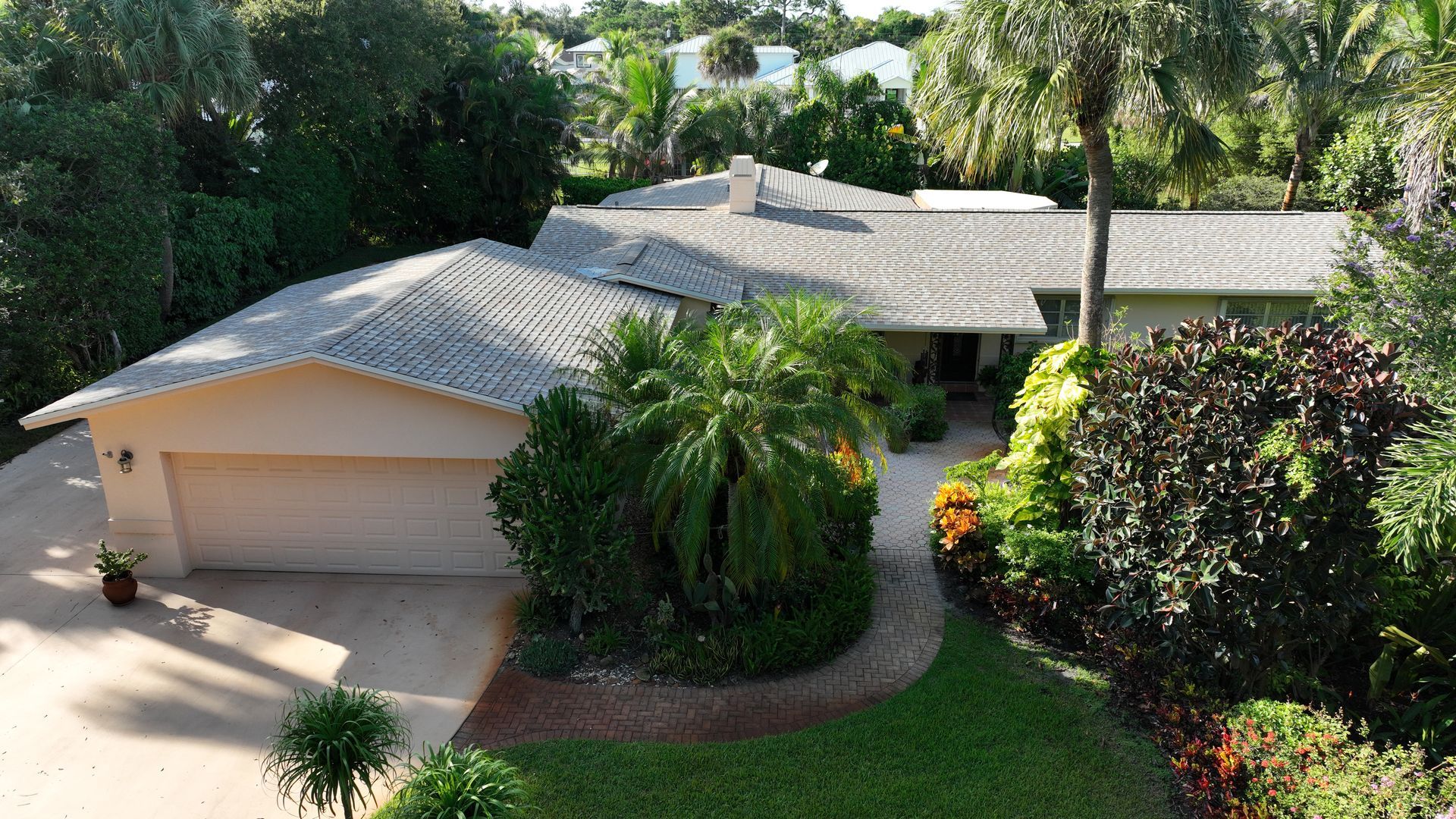
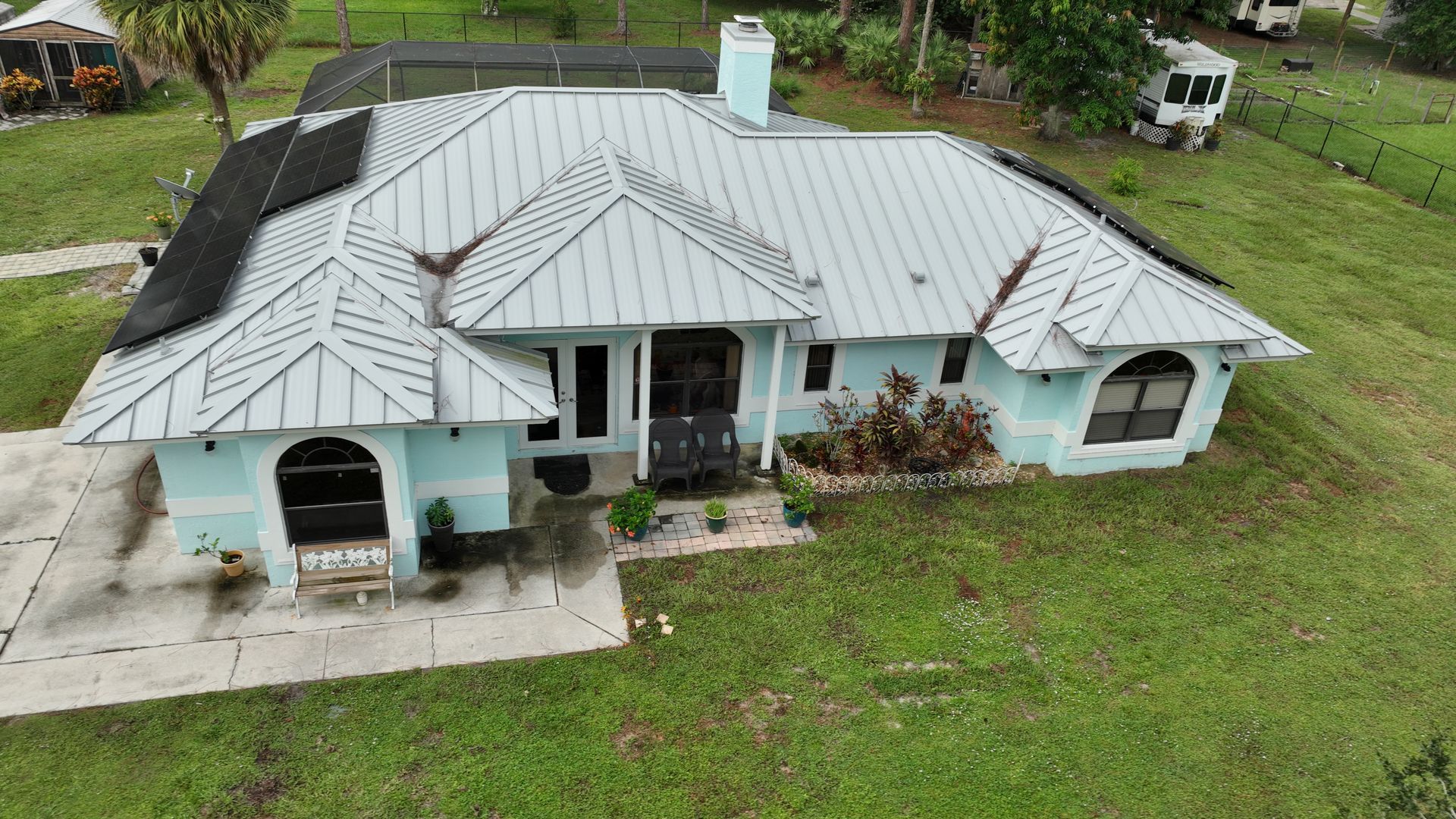
Metal roofing is available in a broader range of appearances than some homeowners may realize. Different profiles, finishes, textures, and colors can complement traditional, contemporary, rustic, and other architectural styles. Some products provide the familiar appearance of standing-seam metal, while others are designed with profiles that create a different visual effect.
The roof occupies a substantial portion of a home’s visible exterior, so its appearance can influence the overall character of the property. Homeowners may want to consider how a proposed roofing system coordinates with siding, masonry, trim, windows, landscaping, and neighboring architectural styles.
Personal preference remains important because homeowners will live with the finished appearance for years. Reviewing physical samples and completed projects can make it easier to understand how a material may look outside of a showroom or photograph. A local roofing company may also help homeowners compare available profiles and finishes that are compatible with their home’s design.
Examining the Installation Requirements Carefully
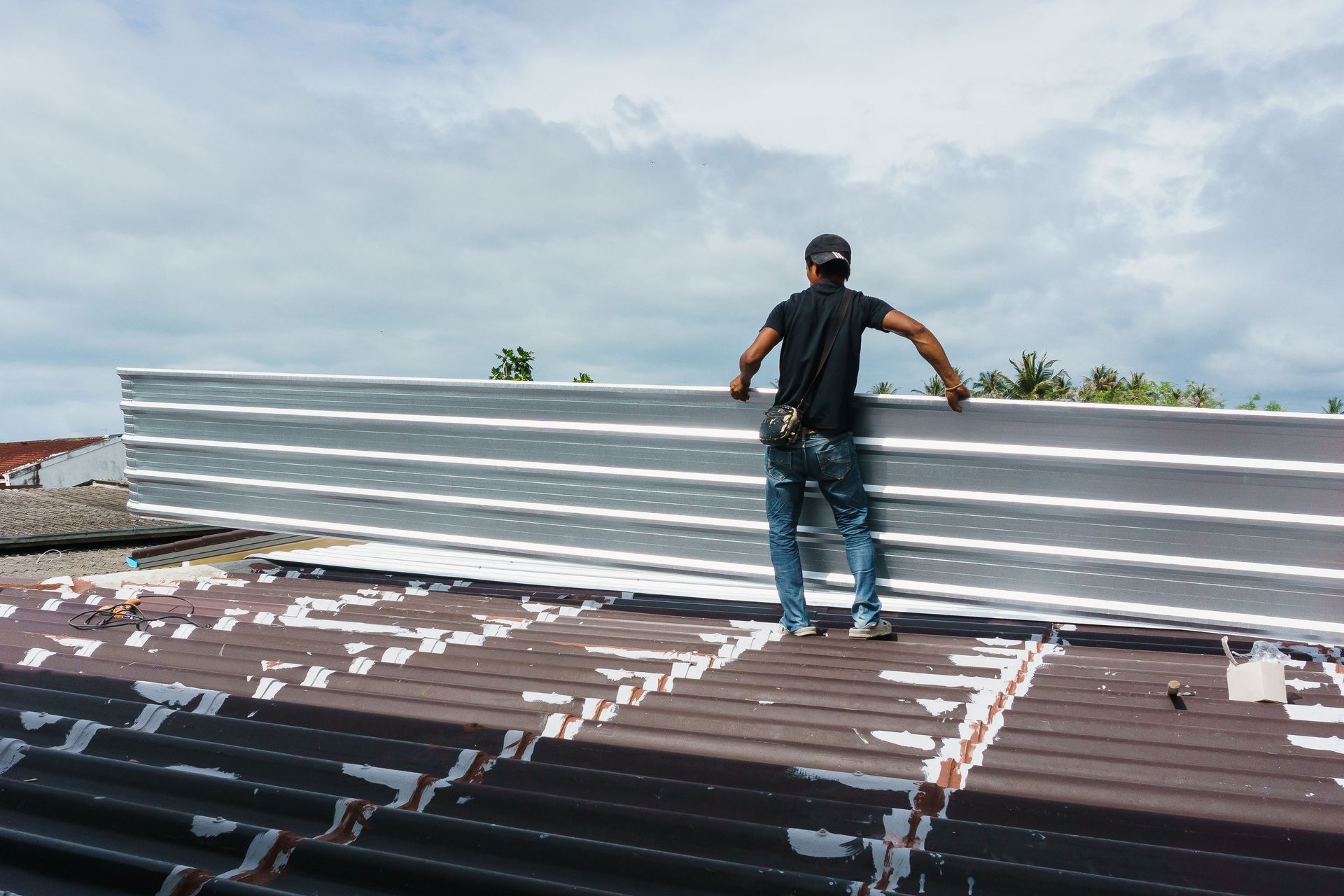
Proper installation plays an essential role in the performance of metal roofing. Panels, seams, flashing, ventilation components, fasteners, underlayment, and roof penetrations must work together as an integrated system. Details around chimneys, skylights, vents, valleys, and roof transitions can be particularly important because these areas involve changes in the roofing surface.
Metal also responds to temperature changes by expanding and contracting. Roofing systems are designed to accommodate this movement, but installation practices must correspond with the manufacturer’s specifications and the characteristics of the selected system. Improperly handled components may create avoidable performance concerns later.
Homeowners should therefore consider installation expertise alongside the material itself. Working with a local roofing company familiar with metal systems can help ensure that the roof is evaluated, planned, and installed according to appropriate requirements.
Assessing the Property Before Making a Decision
Metal roofing can offer attractive characteristics, but every home presents different conditions. Roof slope, decking condition, structural design, ventilation, existing materials, surrounding trees, weather exposure, and architectural features can influence whether a particular system is appropriate.
A professional roof assessment can identify conditions that may not be obvious from ground level. For example, existing damage or deteriorated decking may need attention before a new roofing system can be installed. Ventilation or flashing conditions may also influence the scope of the project.
Homeowners can use this assessment to compare roofing options based on the actual needs of their property. Speaking with a local roofing company provides an opportunity to ask questions about materials, installation requirements, expected maintenance, and how different systems may perform under local conditions.
Making the Roofing Choice With Confidence
Metal roofing can be a practical option for homeowners who prioritize durability, weather resistance, design flexibility, and long-term performance. At the same time, the higher initial investment and specialized installation requirements deserve careful consideration. There is no single roofing material that is automatically right for every home.
The most appropriate choice depends on the property’s condition, local environment, homeowner priorities, and available budget. Comparing these factors can help homeowners look beyond individual advantages or disadvantages and evaluate the roofing system as a whole. Professional guidance can further clarify which options are compatible with the structure and what homeowners can reasonably expect from each material.
If you are considering metal roofing and want to better understand your options, contact Joseph Ward Enterprises Inc. We can evaluate your roofing needs, discuss suitable materials, and help you understand the considerations involved in choosing a system for your home. Our team is available to answer your questions and provide the information you need to make an informed roofing decision.