By Joe Ward
July 29, 2026
Selecting the ideal roofing material is one of the most critical decisions you will make for your home's protection, architectural integrity, and overall value. With various options available on the market, understanding how different materials perform under regional weather conditions can feel overwhelming. Working alongside an experienced local roofing company ensures that your investment provides maximum efficiency, long-term durability, and aesthetic appeal for decades to come.
Evaluating Asphalt Shingles for Versatility
Asphalt shingles remain the most popular choice for residential properties across the nation due to their balance of affordability, flexibility, and proven reliability. Modern architectural asphalt shingles offer multi-layered dimensions that mimic the appearance of slate or wood shake while providing impressive wind resistance and water protection. Premium shingle lines also feature specialized technologies designed to resist algae growth and handle severe weather conditions. When choosing asphalt shingles, consulting with a reliable local roofing company helps you select the proper impact resistance ratings and ventilation components required for maximum system longevity.
Beyond aesthetic appeal, asphalt shingle systems require precise installation to perform as intended. Proper underlayment, ice and water barriers, and leak-proofing flashings are fundamental components that support the visible surface shingles. High-grade synthetic underlayments create a secondary barrier against moisture intrusion, while starter shingles and hip-and-ridge coverings ensure edge protection during heavy storms. Choosing top-rated products from established manufacturers guarantees robust warranty coverage and consistent performance throughout the service life of your roof.
Analyzing Metal Roofing for Durability
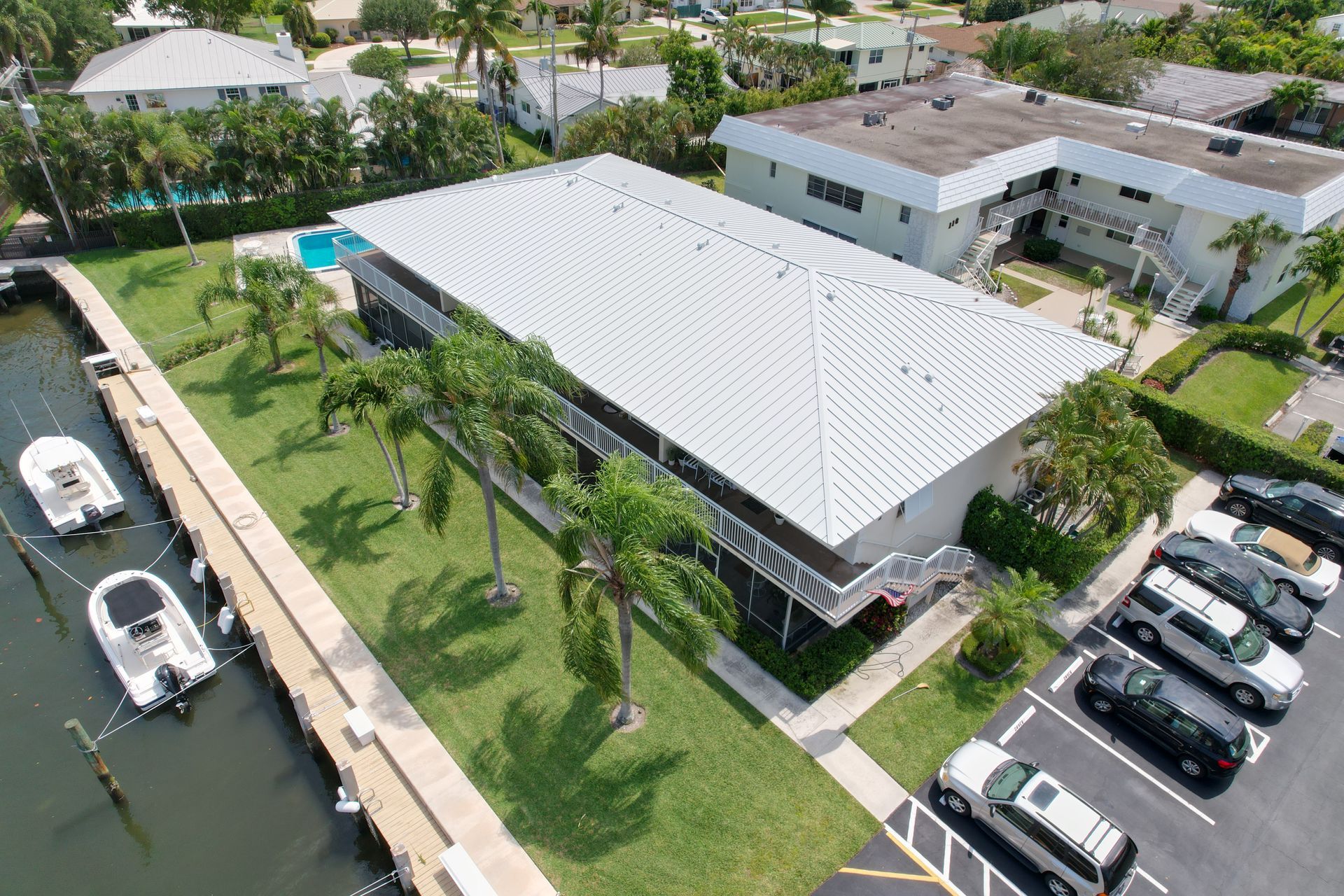
Metal roofing has grown rapidly in popularity among homeowners seeking exceptional longevity and high resistance to harsh climate conditions. Available in standing seam panels, metal tiles, and corrugated profiles, metal systems offer superior defense against wind uplift, driving rains, and fire hazards. Metal reflects solar radiation, helping lower summer cooling burdens and contributing to lower operational energy expenses over time. Although the initial capital investment for metal is higher than conventional options, its extended service life often makes it a highly cost-effective choice over several decades.
Proper installation is critical when dealing with metal systems, as thermal expansion and contraction require specialized fastening techniques and flashing integration. An improperly sealed seam or incorrectly torqued fastener can result in moisture infiltration over time. Partnering with a licensed local roofing company guarantees precise installation, proper ventilation design, and appropriate panel selection tailored to your specific building geometry. Metal roofs also integrate seamlessly with exterior drainage elements, ensuring heavy rain runoff is guided safely away from your structure.
Assessing Tile Roofing for Longevity
Concrete and clay tile roofing systems deliver unmatched elegance, structural mass, and historic charm for residential and commercial structures. Clay tiles provide classic warmth and color retention that resists fading despite intense sunshine, while concrete tiles offer extreme impact strength and structural versatility. Both variations excel in resisting severe winds, moisture decay, and heat absorption. Because tile systems allow natural air movement beneath the installed tiles, they create an insulating buffer that minimizes heat transfer into the attic space below. Specialized interlocking tile profiles further enhance weather defense by creating tight mechanical bonds that withstand driving rains and severe wind uplift.
The primary consideration when opting for concrete or clay tiles is structural weight support. Tile roofs are significantly heavier than asphalt or metal options, requiring a comprehensive structural inspection prior to installation to confirm your property can support the load. Beyond weight requirements, the longevity of a tile roof relies heavily on the quality of the underlying waterproofing membrane and flashing details around valleys, skylights, and chimneys. Utilizing high-performance underlayments ensures the sub-roof remains fully protected for decades. Relying on an established local roofing company protects structural integrity while delivering a flawless, high-performing tile installation.
Exploring Flat Roofing Solutions for Modern Structures
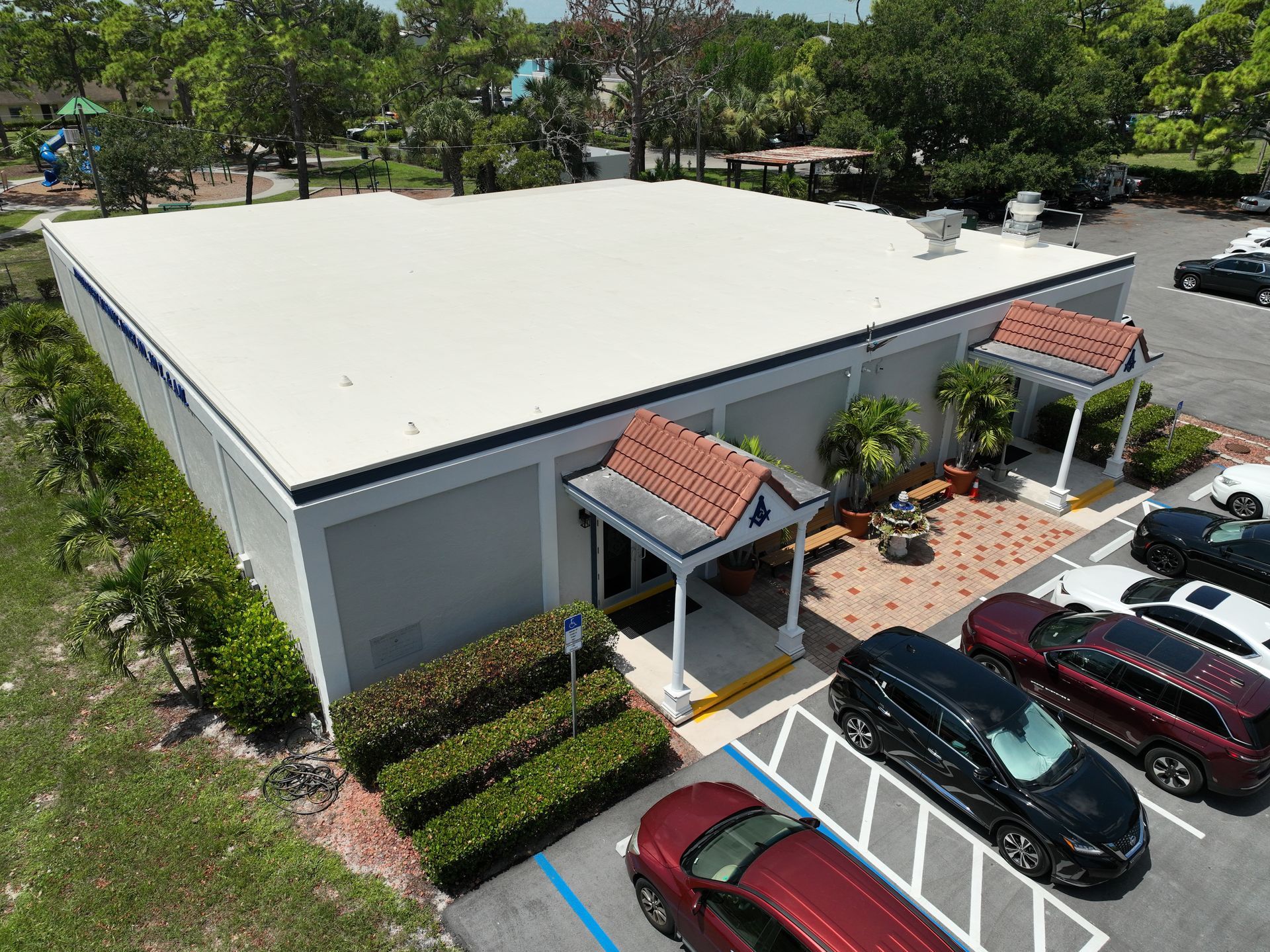
Flat and low-slope roofs demand specialized material applications due to their minimal pitch, which prevents traditional water shedding through gravity alone. Systems like single-ply membranes, modified bitumen, rubber roofing, and multi-ply built-up layers are engineered specifically to provide continuous waterproof seals over horizontal surfaces. These materials prevent water ponding, resist ozone exposure, and remain flexible under wide temperature fluctuations. Adding protective coatings or torch-down membrane systems provides additional defense against UV degradation and physical wear. Advanced liquid-applied waterproofing membranes can also be used to seamlessly seal complex roof penetrations, mechanical equipment supports, and unusual structural transitions where traditional sheet membranes might face installation challenges.
Choosing the proper flat roofing material depends on foot traffic, thermal requirements, and structural drainage design. Proper perimeter flashing, scuppers, and internal drain integration are essential to keep moisture moving continuously off the surface. Installing tapered insulation boards beneath the primary membrane creates artificial slopes that guide trapped water directly toward designated drainage points, preventing structural overload from standing water. A knowledgeable local roofing company will evaluate your building layout to recommend the optimal low-slope system, preventing costly pooling issues and structural leaks. In addition, routine professional inspections help maintain membrane seams, ensuring long-term watertight performance across flat roof surfaces.
Prioritizing Energy Efficiency and Thermal Performance
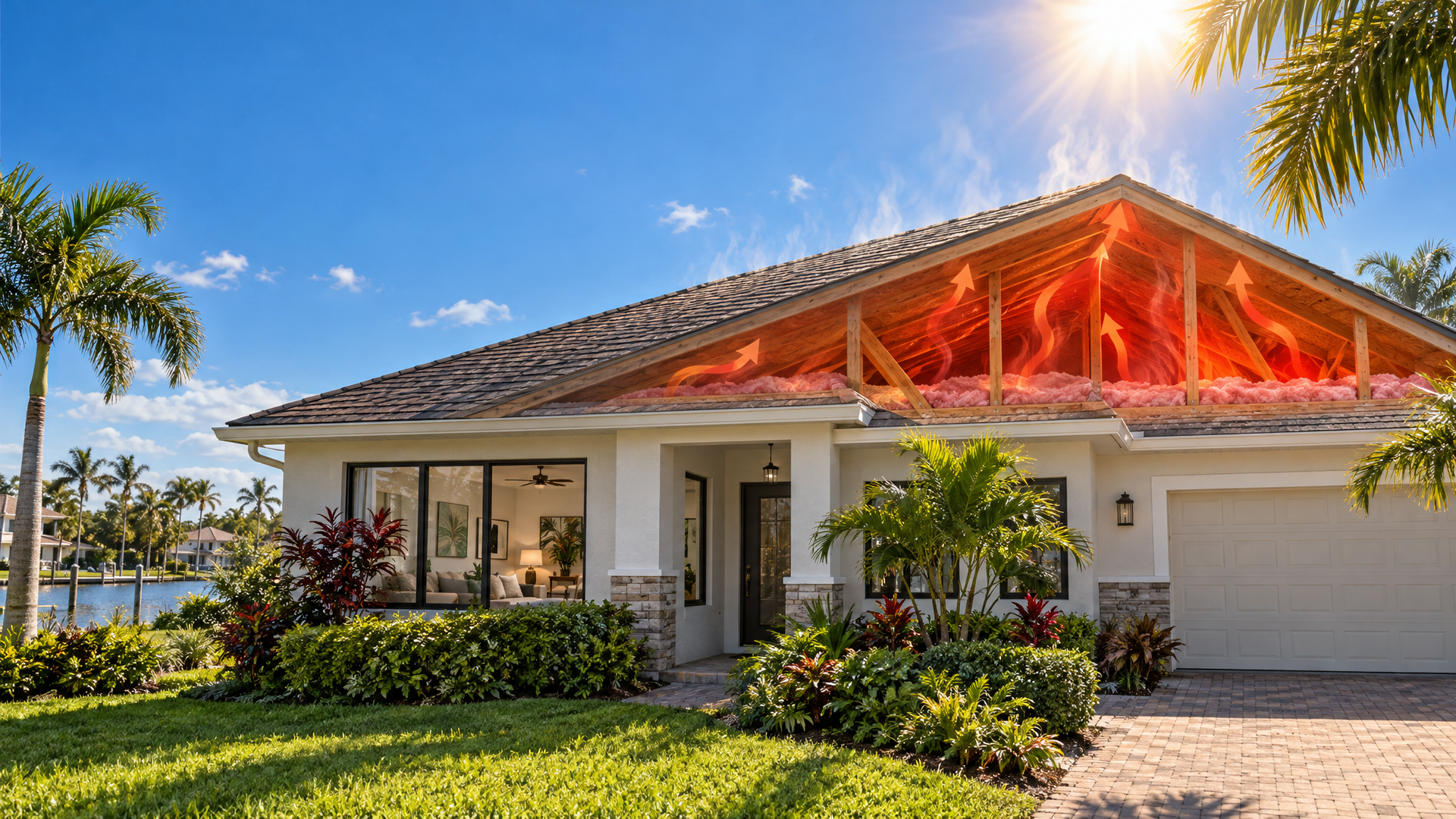
Thermal efficiency plays a substantial role in selecting modern roofing materials, as roof surfaces absorb a large percentage of solar radiation throughout the day. Selecting reflective shingles, specialized metal coatings, or light-colored tile products reduces solar heat absorption, decreasing cooling loads and enhancing indoor thermal comfort. Proper attic ventilation and insulation work alongside reflective roofing materials to maintain balanced airflow, preventing moisture accumulation and structural heat buildup. Beyond surface color, modern manufacturers formulate surface granules and specialized factory coatings that actively bounce infrared wavelengths back into the atmosphere without compromising aesthetic design.
Energy-efficient material selections provide immediate, tangible comfort benefits for building occupants during extreme hot weather conditions. According to This Old House, a cool roof, or one that uses materials and colors to reflect sunlight and absorb less heat, can lower indoor temperature by nearly six degrees in non-air-conditioned buildings. Lowering attic plenum temperatures also protects air handling equipment located in upper building levels, extending mechanical equipment service life and improving indoor air distribution throughout summer months. Integrating cool roof technologies alongside proper soffit and ridge ventilation ensures your exterior envelope remains protected while significantly enhancing overall building energy performance and long-term utility savings.
Selecting the Right Contractor for Installation
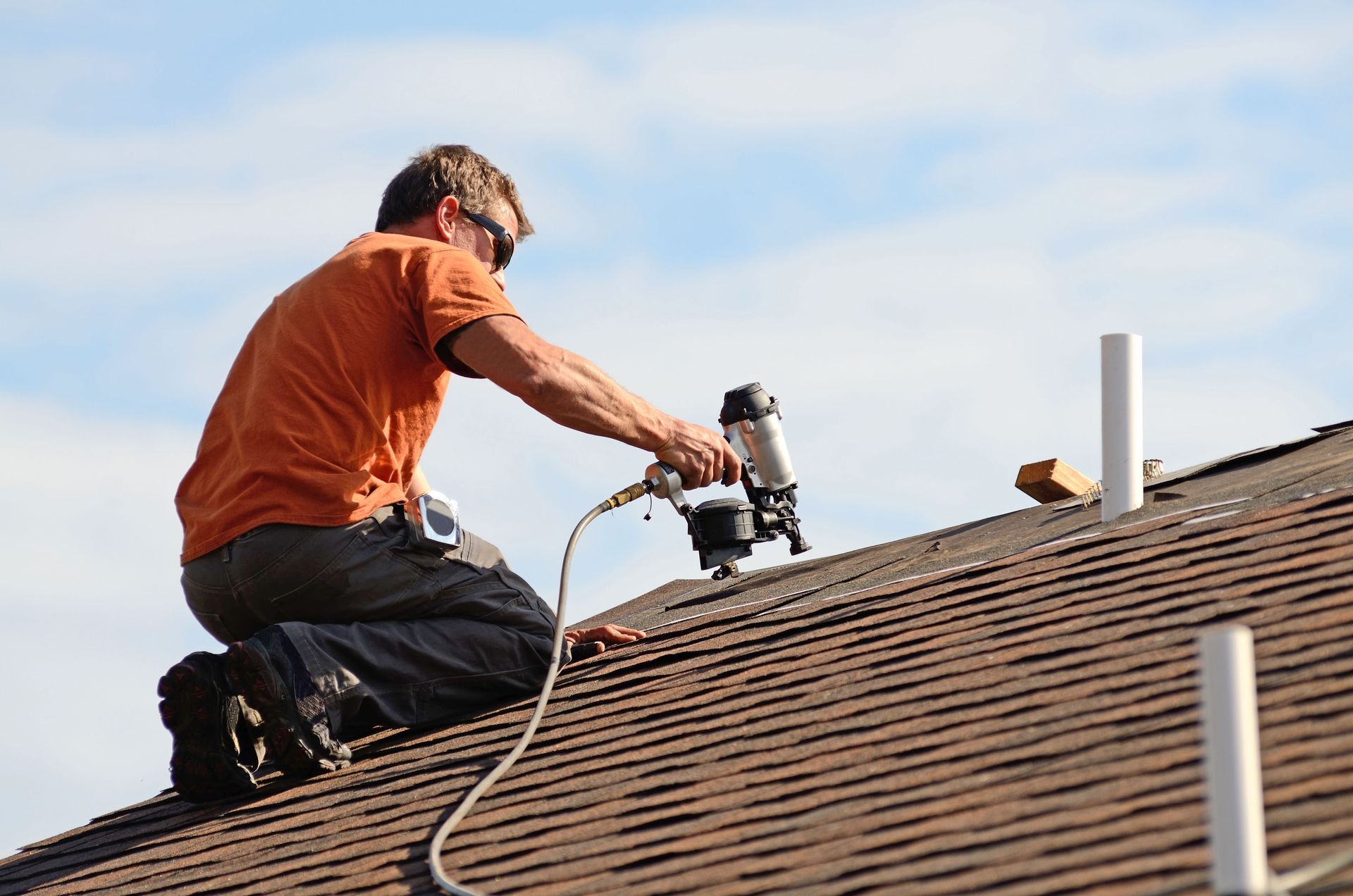
Even the highest-grade roofing material will fail prematurely if installed without proper technique, precise flashing detailing, and adequate ventilation planning. Evaluating contractors based on licensing, manufacturer certifications, insurance coverage, and warranty offerings guarantees that your project meets rigorous industry standards. Reputable installers provide comprehensive written estimates, execute clear timelines, and conduct thorough site cleanups to protect your property during construction.
A full-service exterior specialist offers comprehensive solutions beyond surface covering replacement, including gutter installation, soffit repair, skylight fitting, and waterproofing treatments. Addressing these integrated components simultaneously ensures optimal moisture management across your entire home. Hiring a reputable local roofing company delivers peace of mind, knowing your installation is backed by strong manufacturer warranties and skilled local craftsmanship.
Selecting the right roofing material involves balancing structural requirements, long-term climate resistance, energy performance goals, and overall aesthetic vision. By carefully weighing the distinct benefits of asphalt, metal, tile, and low-slope options, you can make an informed choice that enhances your property value. For complete structural protection and professional installation tailored to your specific needs, trust the experienced team at Joseph Ward Enterprises Inc to guide your project from inspection to final completion.