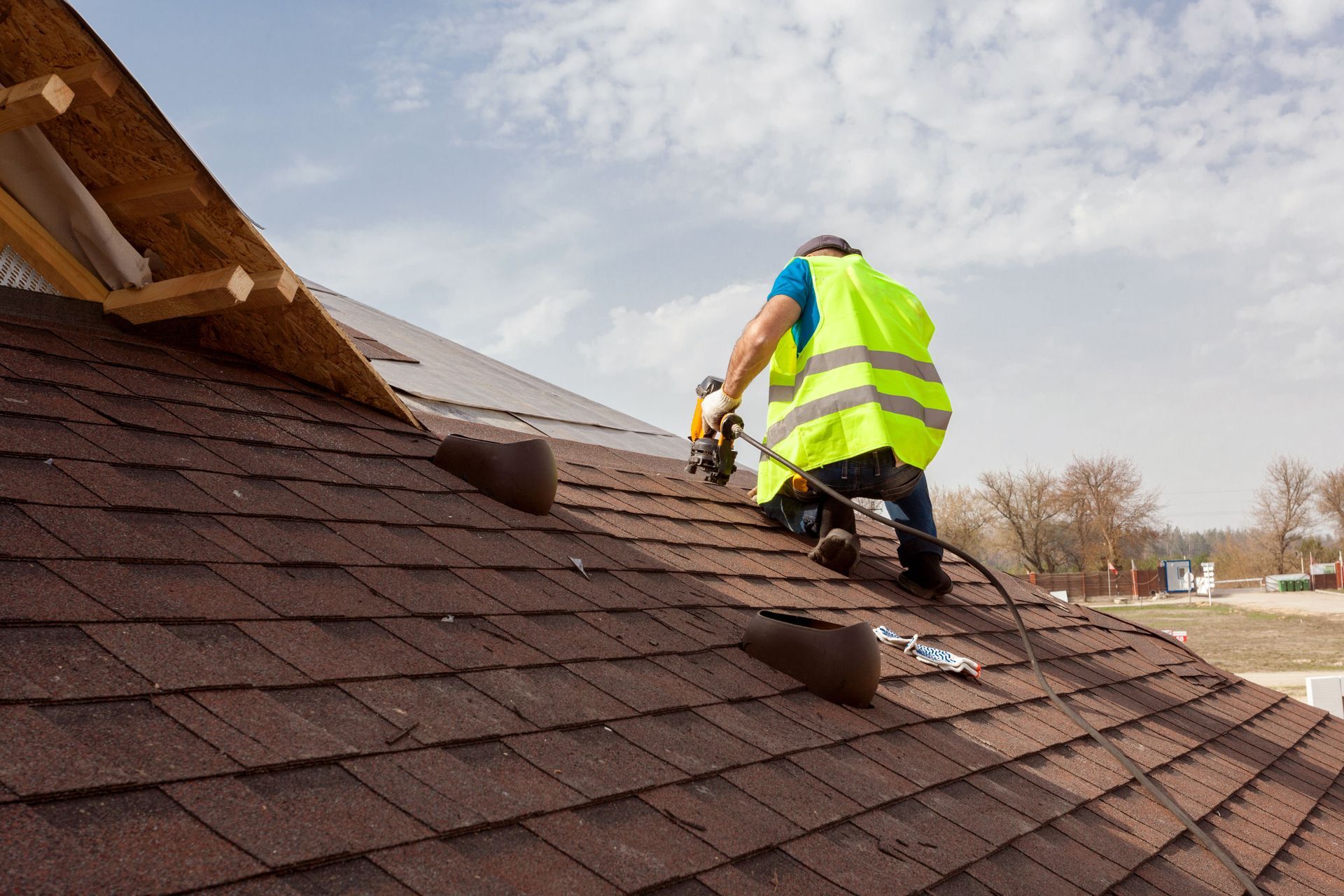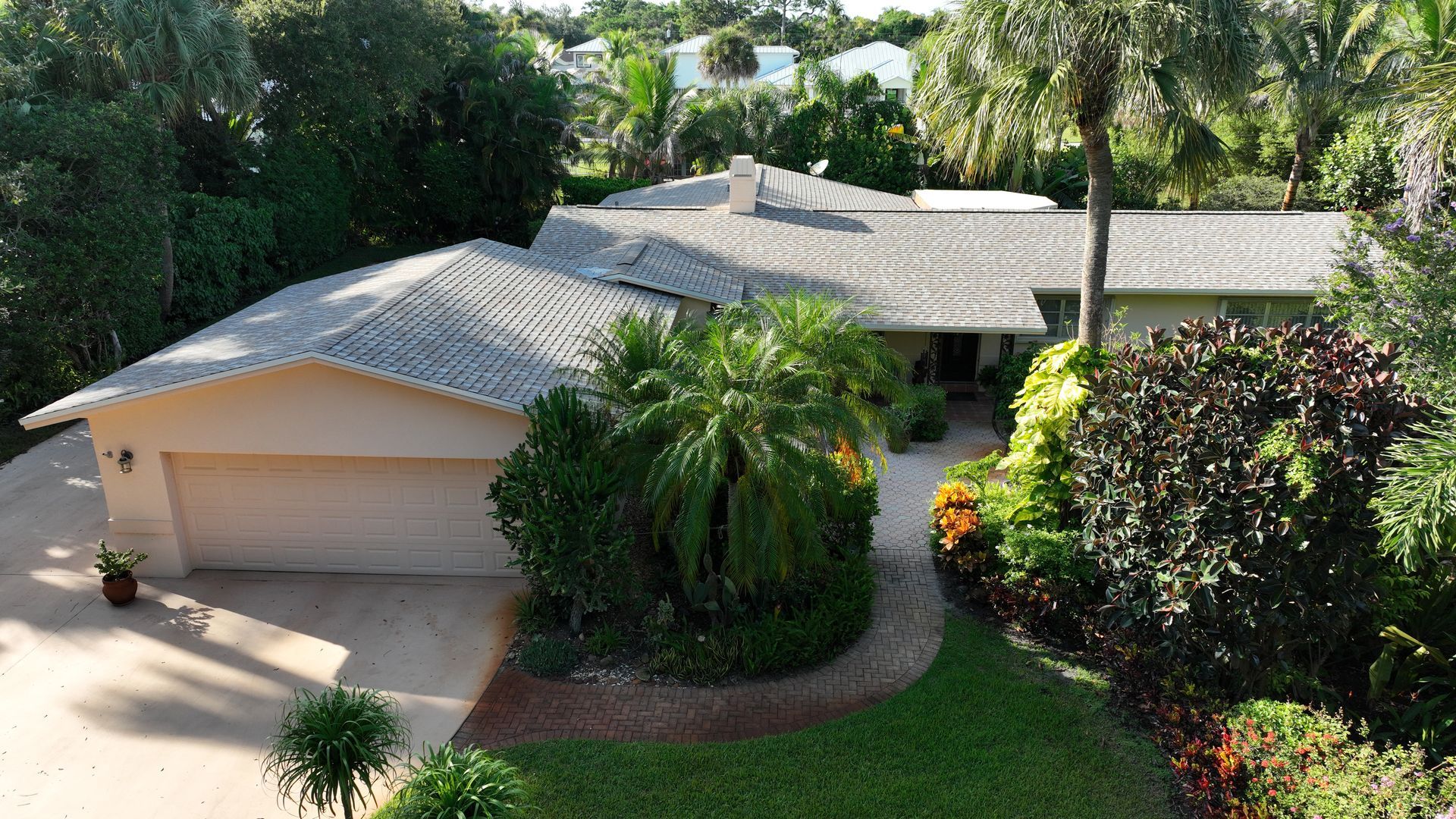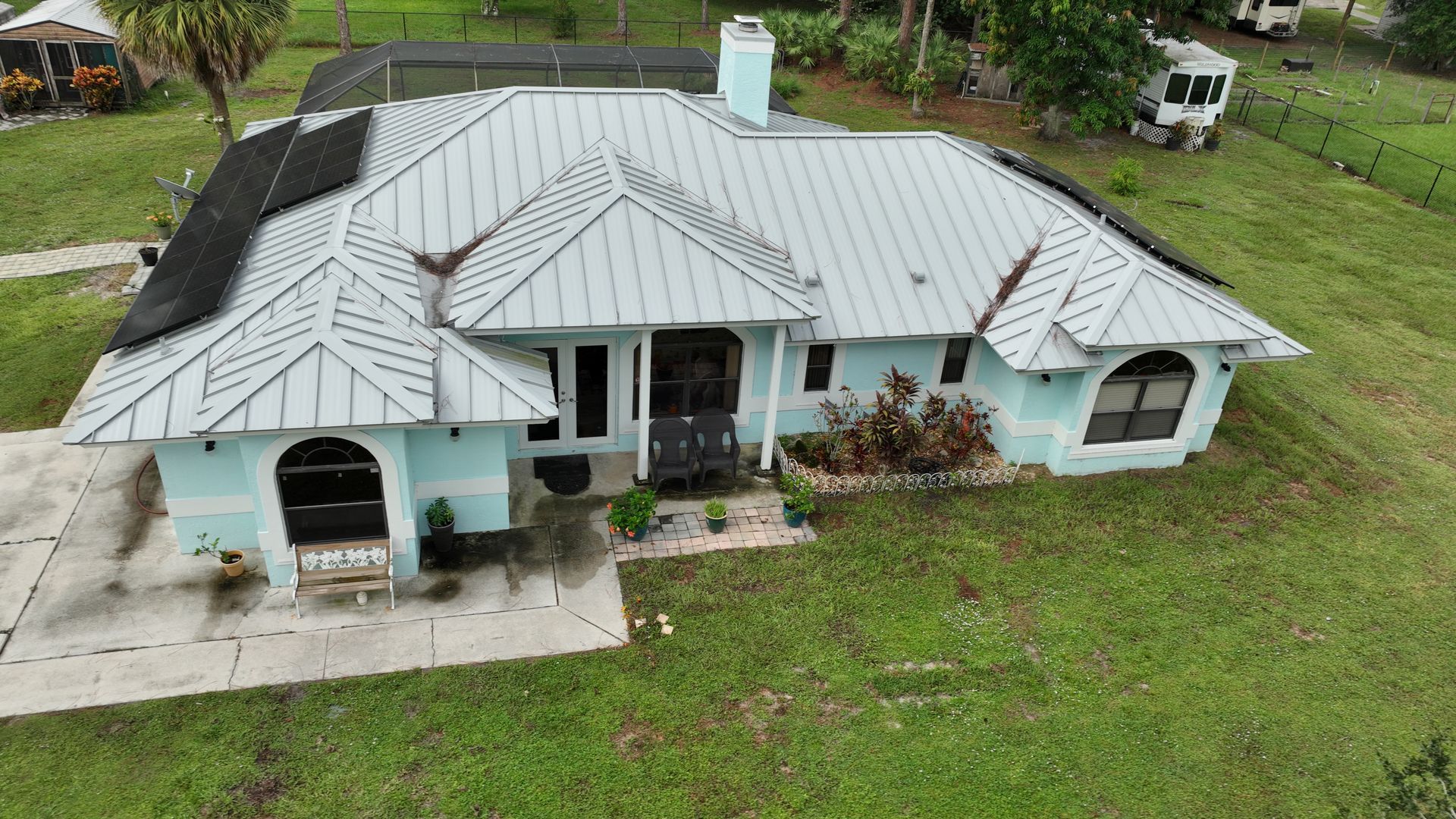
Your roof does a lot more than cover your home. It helps protect the structure from moisture, wind, heat, and seasonal weather changes while also supporting energy efficiency and indoor comfort. Because the roof is constantly exposed to the elements, even a well-built system will begin to show wear over time. The challenge for many homeowners is knowing when minor issues call for a repair and when larger problems may point to the need for a more serious solution.
Some warning signs are easy to spot from the ground, while others appear inside the home through stains, drafts, or rising energy costs. Paying attention to these issues early can help you avoid more extensive damage and make better decisions about maintenance, repairs, or roofing replacement. According to This Old House, about 31% of homeowners across the country have taken on roof renovation, repair, or maintenance projects within the last three years. If you are wondering whether your roof is still doing its job, these common signs can help you tell when it may be time to call a professional.
1. Watching for Missing or Damaged Shingles
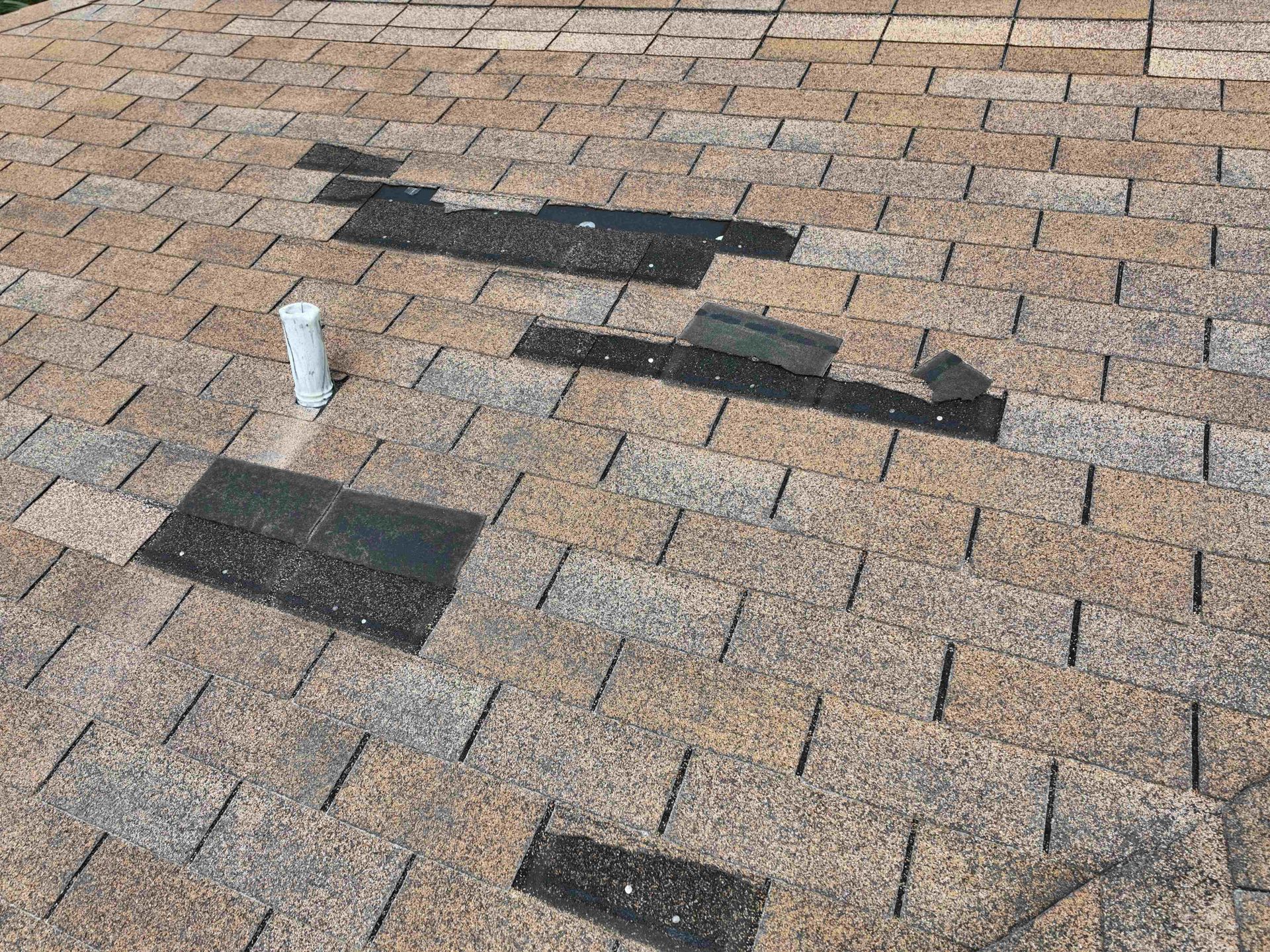
One of the most common signs of roof trouble is visible shingle damage. Shingles that are cracked, curled, loose, or missing altogether can leave the layers beneath them exposed to moisture and weather. Strong winds, heavy rain, prolonged sun exposure, and age can all weaken roofing materials over time. When only a small section is affected, a focused repair may be enough to restore protection and prevent the damage from spreading farther across the roof.
If shingle problems appear in multiple areas, however, the issue may go beyond simple wear in one isolated spot. Widespread damage can suggest that the roof is aging as a whole and may no longer provide reliable coverage. In that situation, homeowners often need to compare the value of repeated repairs with the long-term benefit of roofing replacement. A professional inspection can help determine whether the damaged shingles are a local problem or a sign of more extensive decline.
2. Noticing Granules Collecting Around the Home
As asphalt shingles age, they can begin to lose the protective granules that help shield them from sunlight and weather exposure. You may notice these granules collecting in gutters, downspouts, or near the base of the home after a storm. A small amount of granule loss can be normal over time, especially with an older roof, but heavy accumulation often points to material deterioration. Without that outer layer, shingles can become more vulnerable to heat, cracking, and faster wear.
Granule loss is especially concerning when it appears alongside bald spots or uneven-looking patches on the roof surface. These changes may suggest the roofing material is wearing out more quickly than expected. If the roof is older and the shedding is widespread, it may be time to discuss whether continued repair work makes sense or whether roofing replacement would provide better long-term protection. Catching this sign early can help you plan ahead instead of waiting for a leak or structural problem to develop.
3. Seeing Water Stains or Active Leaks Indoors
Sometimes the first indication of roof trouble appears inside the home rather than outside. Water stains on ceilings or walls, damp spots in the attic, peeling paint, and visible dripping after rain can all point to a roofing issue. Leaks may begin as small openings around flashing, vents, valleys, or damaged shingles, but once moisture gets inside, it can affect insulation, drywall, framing, and even electrical systems. Interior signs should never be ignored, even if they seem minor at first.
Not every leak means the entire roof has failed, but repeated or widespread moisture intrusion can be a serious warning sign. If repairs have already been made and leaks continue to return, there may be deeper system issues that are no longer limited to one section. In cases like that, roofing replacement may offer a more dependable solution than continuing to patch the same trouble spots. A qualified roofer can identify the source of the moisture and explain whether a targeted repair is still practical.
4. Finding Sagging Areas or Uneven Roof Lines
A roof should have a consistent shape and a stable structure. If you begin to notice sagging sections, dips along the roof line, or areas that look uneven, that can point to a more significant problem beneath the surface. Sagging may develop because of trapped moisture, rotting decking, weakened supports, or long-term structural stress. Unlike cosmetic shingle damage, this type of issue often signals that the roof system needs prompt professional attention.
Structural concerns should not be delayed because they can worsen under the weight of rain, wind, or accumulated debris. In some cases, localized damage may be repaired if the problem is limited and discovered early. If the sagging affects a larger portion of the roof or reflects long-term deterioration, though, roofing replacement may be the safer and more practical option. Addressing structural warning signs quickly can help protect both the roof and the home beneath it.
5. Experiencing Rising Energy Bills and Poor Ventilation
Your roof contributes to your home’s overall energy performance, especially when ventilation and insulation work together as they should. When a roof begins to fail, damaged materials, trapped moisture, or poor airflow in the attic can make it harder to regulate indoor temperatures. Homeowners may notice rooms that feel hotter in summer, colder in winter, or generally less comfortable than they used to be. Rising energy bills without another clear explanation can sometimes point back to roof-related issues.
Ventilation problems do not always mean full replacement is needed, but they should still be evaluated carefully. If the roof is older and energy-related issues appear alongside shingle damage, leaks, or visible wear, the system may no longer be performing efficiently. At that stage, roofing replacement can sometimes improve both weather protection and energy performance at the same time. A professional evaluation can show whether the problem is limited to ventilation components or tied to the overall condition of the roof.
6. Recognizing That the Roof Is Nearing the End of Its Life
Even when there is no dramatic leak or missing section, age alone can be a major factor in deciding what comes next. Most roofing materials have an expected service life, and as the roof approaches that range, it becomes more vulnerable to weather damage, surface wear, and recurring maintenance needs. If you know the roof is older, it is wise to pay close attention to how often repairs are needed and whether problems are starting to appear more frequently.
A roof that needs regular attention year after year may no longer be the best candidate for continued patchwork. When repair costs start to add up, homeowners often find that roofing replacement offers better value and greater peace of mind. Replacing an aging roof can also improve curb appeal, help with resale potential, and reduce the uncertainty that comes with waiting for the next problem. Looking at age alongside visible warning signs can make the decision clearer and more manageable.
The signs that your roof needs repair or replacement are often easier to manage when they are caught early. Missing shingles, granule loss, leaks, sagging areas, higher energy bills, and simple age can all point to a roof that needs professional attention. The right solution depends on the extent of the damage, the age of the materials, and how well the system is still protecting your home. In some cases, roofing replacement may be the most effective long-term solution. If you have started noticing these warning signs, contact Joseph Ward Enterprises Inc today to schedule a professional roofing evaluation.